
My Dog Won’t Eat During the Day
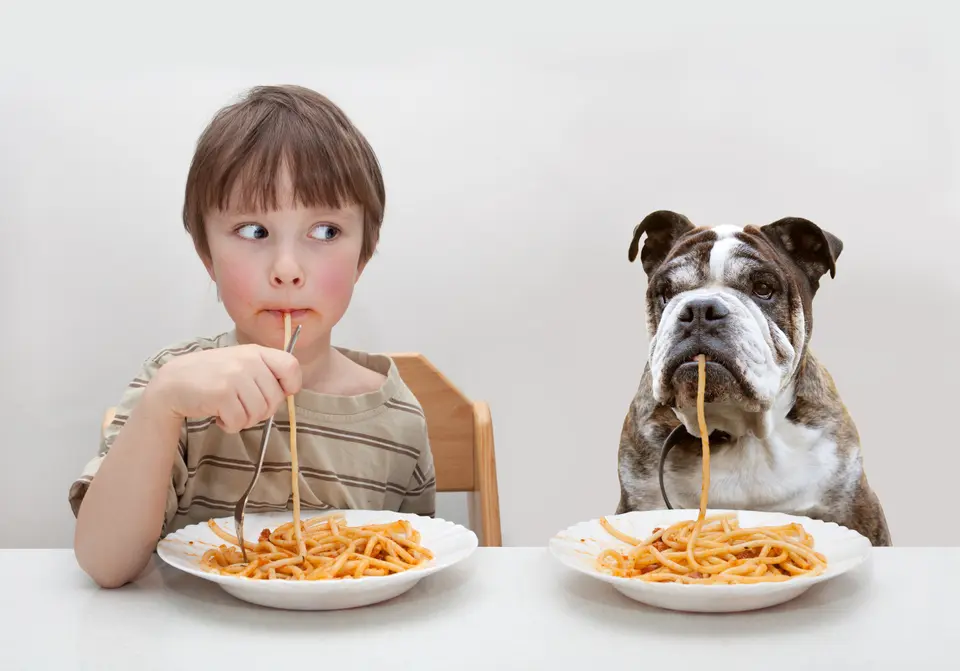
Morning begins with a familiar sound.
Kibble pouring into a stainless-steel bowl.
Not a dramatic sound. Not an exciting one, apparently. Just the dry little rattle of breakfast landing exactly where breakfast has landed every morning for years.
Your dog hears it.
Of course he hears it.
He hears a cheese wrapper from the other side of the house. He hears a peanut butter jar open through two closed doors. He hears you silently think about getting a snack.
So yes, he hears the kibble.
He walks into the kitchen, stretches like he has been summoned from an extremely important nap, and lowers his nose to the bowl.
One sniff.
Maybe two.
Then he turns around and walks away.
No thank you.
Not today.
And there you are, standing in the kitchen with a full bowl of perfectly good dog food, suddenly feeling like a failed chef.
At first, you worry.
Is he sick?
Is something wrong with the food?
Does his stomach hurt?
Is his tooth bothering him?
Did he eat something in the yard?
Should you call the vet?
Then you open the refrigerator.
The dog who was moments ago too delicate to consider breakfast appears beside you with the speed of a supernatural being.
You take out a piece of cooked chicken breast.
His ears lift.
You peel open a can of wet food.
He materializes closer.
You open the treat drawer.
Now he is very much alive.
Bright eyes. Moving tail. Full interest in life.
That is when you realize the truth.
He is not refusing food.
He is negotiating.
A friend of mine has a dog named Charlie, a small poodle mix with a fluffy face, expensive opinions, and the survival instincts of a tiny con artist. Charlie is healthy, loved, spoiled, and fully aware of how soft-hearted his people are.
Breakfast is served every morning at seven.
Charlie does not eat it at seven.
He inspects it.
He acknowledges its existence.
Then he walks away.
For a while, this made my friend anxious. She would follow him around the kitchen.
“Charlie, honey, aren’t you hungry?”
She would pick up the bowl and put it down again in a better location, as if the lighting had offended him.
She would sprinkle a few pieces of freeze-dried chicken on top.
Then maybe a spoonful of pumpkin.
Then a little warm water.
Then a bit of wet food.
Then, on especially weak mornings, actual chicken.
Charlie learned quickly.
Dogs are excellent students when the lesson involves upgrading the meal.
By the end of the month, breakfast had become a small negotiation table. Charlie would ignore the kibble and wait. My friend would worry. Something better would appear. Charlie would eat.
Everyone acted surprised that the pattern continued.
This is how many picky eaters are made.
Not all of them, of course. Some dogs stop eating because they are sick, stressed, in pain, nauseated, anxious, overheated, reacting to medication, or dealing with dental problems. A sudden loss of appetite should always be taken seriously, especially if the dog is also lethargic, vomiting, having diarrhea, drooling, coughing, losing weight, drinking differently, acting painful, or refusing even favorite foods.
Dogs cannot tell us when something is wrong.
So we should never dismiss appetite changes automatically.
But there is another kind of dog.
The dog who refuses breakfast but can still sprint across the house when a string cheese wrapper opens.
The dog who turns away from kibble but stares at your sandwich like a medieval scholar studying scripture.
The dog who acts weak in front of the bowl and powerful in front of rotisserie chicken.
The dog who does not want food.
He wants better food.
That dog is not necessarily sick.
That dog may be running a business.
And the business model is emotional pressure.
During the day, he holds out.
He wanders past the bowl and glances at it with disappointment.
He looks at you.
Then he looks at the bowl.
Then he looks back at you.
He is not starving.
He is waiting.
Waiting for chicken.
Waiting for canned food.
Waiting for salmon oil.
Waiting for cheese.
Waiting for you to say, “Fine, just this once.”
But with dogs, “just this once” is often how the constitution gets amended.
One little topper becomes the new standard.
A spoonful of wet food becomes expected.
Chicken becomes normal.
Then chicken is no longer good enough unless it is warm.
Then the dog food must be softened.
Then the softened dog food must be hand-fed.
Then you find yourself standing in your kitchen at 10 p.m., offering dinner from a spoon to an animal who ate a dead bug in the yard yesterday without hesitation.
This is the strange dignity gap of dog ownership.
A dog will refuse premium kibble with the expression of a disappointed food critic, then later attempt to eat a paper towel.
He will turn away from a carefully balanced diet, then lick the floor where someone dropped ranch dressing.
He will ignore his bowl all morning, then look deeply betrayed when you refuse to share a taco.
Dogs are mysterious, but not always in noble ways.
Sometimes they are simply opportunists with adorable faces.
Charlie, the poodle mix, had this system perfected.
He would refuse breakfast.
He would nap.
He would follow anyone who entered the kitchen.
He would sit under the dining table during lunch with the moral intensity of a dog who believed crumbs were part of his legal compensation.
He would check the bowl once or twice, not to eat, but to confirm that no improvements had been made.
Then evening would come.
No chicken.
No wet food.
No dramatic rescue.
No one had folded.
And sometime around nine o’clock, Charlie would stroll back into the kitchen, lower his head, and eat the entire bowl of kibble.
Slowly.
Calmly.
As if this had been his plan all along.
That is the moment when many dog owners finally understand.
He was hungry.
Just not desperate.
He was hoping the day would go better.
To be fair, dogs do not think exactly like humans. Charlie was not sitting there with a spreadsheet, calculating how long he could hold out before someone opened the refrigerator. But dogs absolutely learn patterns.
If refusing kibble leads to chicken, they remember.
If staring sadly leads to wet food, they remember.
If skipping breakfast makes humans panic and begin presenting options like a restaurant server, they remember.
Dogs are not manipulative in the evil-villain sense.
They are learners.
They repeat what works.
And in many homes, being picky works beautifully.
The human worries.
The dog waits.
The food improves.
From the dog’s perspective, this is a successful training program.
The only question is who is training whom.
That does not mean every dog must eat plain dry kibble forever with no joy in life. Food can be enrichment. Toppers can be useful. Wet food can help some dogs. Warm water can make food more appealing. Prescription diets, senior diets, sensitive stomach diets, and other feeding plans may all have their place. Some dogs genuinely do better with a different texture or formula.
But random daily bargaining creates confusion.
One meal is kibble.
The next meal is kibble with chicken.
The next meal is wet food.
Then rice.
Then broth.
Then freeze-dried topper.
Then hand-feeding.
Then the owner wonders why the dog no longer accepts the original meal.
The dog is wondering why negotiations are taking so long.
For healthy dogs who are simply holding out, consistency is usually kinder than panic.
Put the food down at mealtime.
Give the dog a reasonable window—ten or fifteen minutes.
If he does not eat, pick it up.
No drama.
No begging.
No audience.
No emotional crisis beside the bowl.
At the next meal, offer food again.
A healthy dog who has learned to hold out for upgrades often becomes much less theatrical when the system stops rewarding the performance.
That does not mean starving the dog.
It means removing the endless negotiation.
It also means being honest with yourself about everything the dog is getting besides meals.
Treats count.
Training rewards count.
Chews count.
Table scraps count.
The bite of scrambled egg from breakfast counts.
The piece of turkey from your sandwich counts.
The spoonful of yogurt because “he looked sad” counts.
The dental chew, the bully stick, the peanut butter in the Kong, the leftover meat from dinner—all of it counts.
Sometimes a dog who “doesn’t eat” has spent the entire day collecting small payments.
By dinner, he is not refusing food because he is ill.
He is refusing food because he has already had a tasting menu.
This happens a lot in American households because dogs are part of the family rhythm.
Someone makes breakfast.
The dog gets a bite.
Someone packs lunch.
The dog gets a corner of cheese.
Someone comes home from work.
The dog gets a treat because everyone missed him.
Someone cooks dinner.
The dog gets a little plain chicken because he is being “so good.”
Then his bowl of kibble appears, and everyone is shocked that he lacks enthusiasm.
He may simply be full enough to wait.
And if waiting has paid off before, why wouldn’t he?
Dogs are practical creatures.
They understand comfort.
They understand opportunity.
They understand which family member is the easiest.
Every dog knows this.
There is usually one person in the house who believes in rules.
There is another person who believes in “just a little.”
There may be a child who drops food accidentally.
There may be a grandparent who drops food very much on purpose.
There may be a husband who insists he does not feed the dog from the table while the dog sits beside him every night with the confidence of someone who has a contract.
Dogs know the household economy.
They know who folds.
So if the goal is better eating habits, the whole household has to participate.
Not angrily.
Not harshly.
Just consistently.
The food offered should be appropriate, measured, and predictable.
Treats should be limited and intentional.
If toppers are part of the plan, use them consistently, not as a panic response after refusal.
If the dog needs a diet change, make it thoughtfully.
If appetite truly changes, investigate medically.
And if the dog is healthy, energetic, bright-eyed, drinking normally, pooping normally, and simply choosing to eat at night after a long day of failed negotiations, then perhaps the problem is not appetite.
Perhaps the problem is strategy.
The dog has one.
You need one too.
The hardest part is emotional.
Food is love in many families. Feeding is one of the first ways we care for anything. When a dog walks away from a bowl, it can feel like rejection, danger, or failure. We want to fix it immediately. We want the relief of seeing him eat.
Dogs know this, not intellectually, but experientially.
They know the bowl makes us attentive.
They know refusal creates concern.
They know concern creates options.
So the calmer you are, the less power the performance has.
Put the bowl down.
Walk away.
Let the dog decide.
If he eats, good.
If he does not, pick it up later.
The world does not need to stop because a healthy dog declined breakfast.
There is something oddly freeing about that.
No pleading beside the bowl.
No rotating menu.
No breakfast theater.
No standing in the kitchen whispering, “Please eat,” to an animal who would happily eat a napkin if given the chance.
Just routine.
Dogs often relax when routines are clear.
A dog who knows food appears at regular times, stays briefly, and disappears if ignored has less room to bargain.
He may test it.
Of course he may test it.
Dogs are optimists.
The first day, he may walk away with confidence.
The second day, he may look offended.
The third day, he may glance at you as if to ask whether customer service has declined permanently.
Then, often, he eats.
Not because you won a war.
Because the rules finally made sense.
And once the rules make sense, everyone can stop performing.
Charlie still has opinions.
He always will.
Some dogs are born with opinions. Poodle mixes, especially, seem to arrive on earth with a list of preferences and a small legal department.
But his breakfast is simpler now.
His food goes down.
If he eats, he eats.
If he walks away, the bowl is picked up later.
Treats are still part of his life. Joy is still part of his life. He still gets special things sometimes, but not as a reward for refusing regular food.
And most nights, if he has tried and failed to improve the menu all day, he eventually walks back to his bowl and eats.
Slowly.
With dignity.
As if this was not a surrender, but a personal choice.
That is fine.
Let him keep his dignity.
Dog ownership is full of small negotiations we pretend we are winning.
The dog has his little calculations.
We have ours.
He hopes for chicken.
We hope for consistency.
He waits for us to soften.
We try not to.
Somewhere in the middle, a household rhythm is made.
So if your dog skips breakfast, do not panic automatically—but do pay attention.
If he is suddenly refusing food, acting tired, vomiting, having diarrhea, drooling, losing weight, drinking differently, or refusing even favorite treats, call your veterinarian.
If he is otherwise happy, active, bright, and simply waiting to see whether kibble can become chicken, then take a breath.
He may not be sick.
He may be negotiating.
Put the food down.
Give him a chance.
Pick it up if he does not eat.
Keep the rules steady.
Because the steadier you are, the less he has to perform.
And when he finally wanders back at night and eats the food he rejected all day, try not to take it personally.
He was not starving.
He was hoping.
For families who know how much a dog’s routine matters, pet travel requires the same kind of thoughtful planning. Meals, timing, familiar habits, comfort, documents, and safe transport all matter when a pet is moving across the country or overseas. 0x Cargo Pet Travel helps California families with international pet transportation, supporting dogs and cats through the details of relocation with care and experience. Whether your dog is an easy eater, a picky negotiator, a nervous rescue, a senior companion, a shepherd mix, a pit bull mix, or the little strategist who waits all day for chicken, every journey deserves careful handling. To learn more, visit 0xcargo.com or call 650-656-0082.