
Lake Tahoe Winter Dog Travel Guide: Snow, Safety, Chain Controls, and Dog-Friendly Activities
Introduction: Tahoe in Winter Is Magic—But It’s Not Casual
Lake Tahoe in winter is one of the best cold-season destinations in the western U.S.—blue water, snow-loaded forests, and endless trail access. It’s also a place where small mistakes (no chains, wet paws, off-leash conflict, hypothermia risk) can turn a fun trip into a stressful one.
This guide is built around two priorities:
- Drive safely and legally in chain-control conditions.
- Keep your dog safe in snow, cold, and mixed-use recreation zones.
1) Before You Go: Understand Chain Controls (R1 / R2 / R3)
Even if you have AWD/4WD, Tahoe winter driving is governed by California chain control requirements on many approaches.
Caltrans explains that:
- Under R2, chains/traction devices are required on most vehicles, except 4WD/AWD with snow-tread tires on all four wheels—but those vehicles must still carry traction devices.
- Under R3, chains/traction devices are required on all vehicles, no exceptions.
Caltrans also publishes additional detail on chain requirements for different vehicle categories (including towing considerations).
Dog-specific reality: If you get stuck or delayed in chain-control traffic, your dog’s needs (warmth, water, bathroom breaks) don’t pause. Treat chain readiness as part of your dog travel plan, not just a driving plan.
2) Winter Car Kit for Dog Owners (Non-Negotiables)
Core items
- Traction devices (chains/cables/socks) that fit your exact tire size
- Blanket + insulated pad (dogs lose heat fast when lying on cold surfaces)
- Portable water + collapsible bowl (offer small amounts frequently)
- High-calorie snacks or kibble
- Extra leash + backup collar tag
- Waste bags + sealable bag for car storage
- Headlamp (winter sunsets are early; you may walk in the dark)
For the dog
- Dog jacket (especially short-coated or older dogs)
- Paw protection (boots or paw wax)
- Towel (snow = wet fur; wet fur = fast heat loss)
3) Leash Rules: Assume “On-Leash” Unless Proven Otherwise
Tahoe is managed by multiple jurisdictions (state parks, forest service lands, local municipalities). The only consistently safe assumption is: keep your dog leashed and under tight control, especially near trailheads, parking lots, and popular mixed-use routes.
One example of clear, enforceable policy is Ed Z’berg Sugar Pine Point State Park, where California State Parks specifies:
- Dogs on a 6-foot leash are allowed in certain developed areas and (in winter) on specific XC trails (red and blue), and that dog regulations are enforced year-round.
This matters because winter routes often overlap with:
- cross-country skiing,
- snowshoeing,
- family sledding areas,
- and wildlife corridors.
Leash discipline prevents conflict and reduces the risk of your dog chasing wildlife or slipping onto icy terrain.
4) Best Winter Activities With Dogs in Tahoe (Low Drama, High Reward)
A) Snowshoe walks with controlled dogs
Snowshoeing is a top winter experience. If your dog is:
- comfortable in cold weather,
- responsive on leash,
- not reactive around skiers,
it can be an excellent shared activity.
Etiquette tips
- Keep your dog to the side of groomed routes.
- Avoid letting paws tear up ski tracks.
- Yield to faster users (skiers) where the corridor narrows.
B) State park developed areas + designated winter routes
State parks can be ideal because rules are explicit and parking is structured. Sugar Pine Point is one well-documented example with winter XC trail allowances.
C) Scenic snow play (controlled, short sessions)
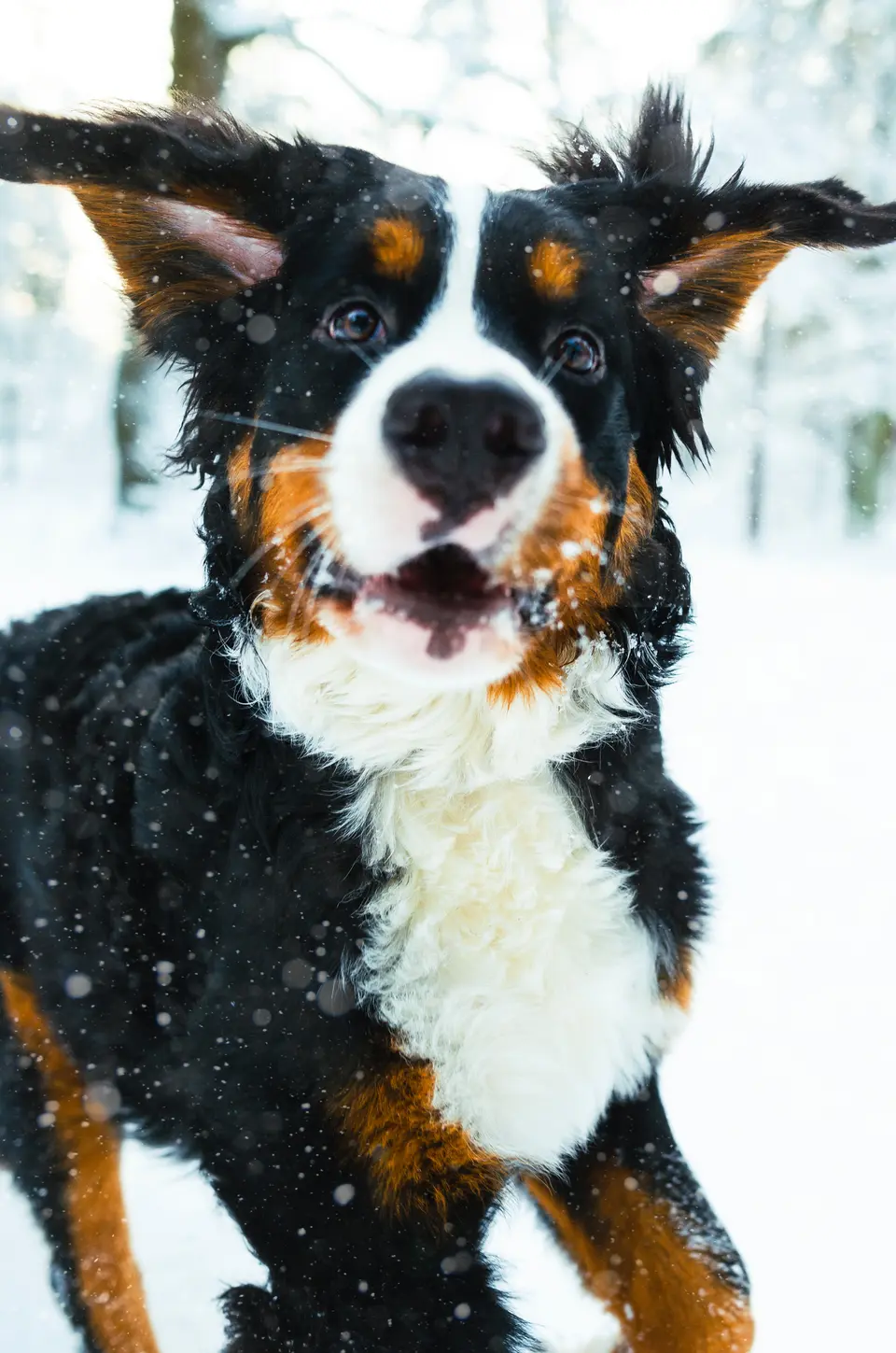
Simple snow play is often the best: short off-trail play in safe open areas near your lodging, then warm up. Avoid long sessions that leave your dog soaked and cold.
5) Cold-Weather Safety: What Dog Owners Underestimate
Hypothermia risk is not just for small dogs
Large dogs can also get dangerously cold when:
- fur is wet,
- wind is high,
- activity stops (e.g., you rest, they lie down),
- paws are constantly in snow.
Rule of thumb: If you’re uncomfortable standing still without gloves, your dog may need a jacket and shorter exposure.
Paw injuries are common in snow destinations
Snow and ice can:
- abrade paw pads,
- create ice balls between toes,
- irritate skin when mixed with sand or de-icer residue.
Boots help but require training; paw wax is a good alternative.
6) A Practical 2-Day Tahoe Winter Itinerary With a Dog
Day 1: Arrival + short snow walk + warm recovery
- Arrive before dark (reduces stress and navigation risk)
- Quick leash walk to sniff and decompress
- Dinner, warm rest, and early night
Day 2: Morning snowshoe + scenic lake view + controlled snow play
- Morning: snowshoe or winter walk (keep it moderate)
- Midday: warm-up break (car or lodging)
- Afternoon: short scenic stop + photos
- Evening: quiet walk + hydration check
Keep sessions shorter than you think. Dogs often push through discomfort until they crash.
7) Common Tahoe Winter Mistakes (and how to avoid them)
- Not carrying chains because you have AWDCaltrans explicitly states AWD/4WD may be exempt under R2 only with snow-tread tires on all wheels, but must still carry traction devices.
- Letting dogs run off-leash near ski areasConflict risk is high, and the dog can damage ski tracks or startle other users.
- Long snow play sessions with wet furWet fur accelerates heat loss. Towel and warm-up breaks matter.
- Skipping water because it’s coldDogs still dehydrate in winter (panting + dry air). Offer small drinks regularly.
FAQs
Q1: Do I really need chains if I have AWD?You may still be required to carry them, and conditions can escalate quickly. Caltrans chain control rules make this explicit.
Q2: Can my dog go on Tahoe beaches in winter?Policies vary by jurisdiction. In state parks like Sugar Pine Point, dogs are not allowed on beaches and are restricted to certain areas/trails.
Q3: What’s the safest “default” leash approach?Use a 6-foot leash, keep the dog close near people and trailheads, and follow posted rules. State park guidance explicitly references the 6-foot leash standard.
Q4: What’s the #1 winter health risk for dogs in Tahoe?Paw injuries and cold stress are the most common practical problems. Prevention is gear + shorter sessions + warm-up breaks.
Closing: Tahoe Is a Great Training Ground for Travel-Ready Dogs
A winter Tahoe trip is more than a vacation—it’s a real-world test of how well your dog handles:
- unfamiliar terrain,
- cold exposure,
- mixed crowds,
- and vehicle-based routines.
0x Cargo Pet Travel note: If you’re preparing for an international move, these same skills translate directly to better flight readiness—calm leash manners, stable hydration habits, and environmental resilience. When you’re ready to relocate overseas, 0x Cargo Pet Travel can help manage the compliance and logistics side (routing, airline rules, crate planning, documentation coordination) so your dog arrives safely and comfortably.
References
- Caltrans (CA.gov). “Chain Controls / Chain Installation” (R2, R3 definitions; AWD requirements and carry requirement).
- Caltrans (CA.gov). “Truck Chain Requirements / Chain Requirements” (detailed chain rule variations).
- California State Parks. Ed Z’berg Sugar Pine Point State Park – Dogs policy (6-foot leash; winter XC trail allowances).