
Moving to Australia With a Bengal Cat? Here's What You Need to Know
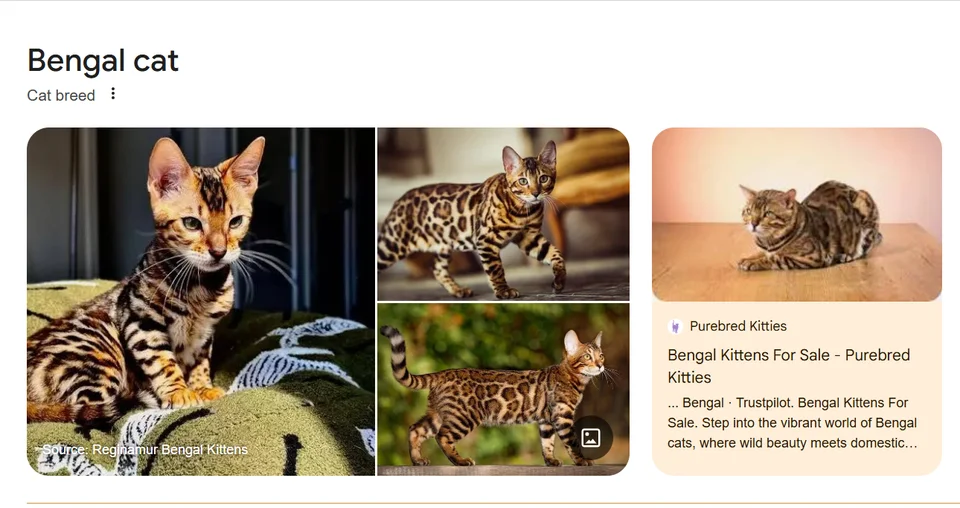
If you’re a Bengal cat owner dreaming of relocating to Australia, we need to talk. Australia has changed its policy on importing Bengal cats, and if you haven’t heard about it yet, this could significantly impact your moving plans.
The Big Change
Australia is phasing out Bengal cat imports completely. Here’s the timeline:
• March 1, 2025: Australia stopped accepting new exemption applications for Bengal cats
• February 28, 2026 (5pm deadline): Last day for previously-approved exempted Bengal cats to enter Australia
• March 1, 2026: Complete ban - no Bengal cats will be permitted to enter Australia
This marks the end of a 12-year exemption period that previously made it possible—under specific
conditions—to bring these beautiful hybrid cats into the country.
If you’re currently in the planning stages of an international move with your Bengal cat, this news might feel like a gut punch. We get it. Your cat isn’t just a pet; they’re family. So let’s break down what happened, why it happened, and what your options are.
Get Expert Guidance
Before we dive into the details, here’s our most important advice: contact a pet relocation specialist.
They can help you understand your specific situation, explore all available options, and guide you
through the complex decisions ahead. While they can’t change government policies or secure special exemptions for Bengal cats, they can provide invaluable guidance on your next steps—whether that’s arranging relocation for a different pet or understanding the full scope of what’s possible.
What Are Bengal Cats, and Why the Ban?
Bengal cats are stunning creatures with their distinctive spotted or marbled coats that look like mini
leopards. And that resemblance isn’t coincidental—Bengal cats are actually a hybrid breed created by crossing a domestic cat (Felis catus) with an Asian leopard cat (Prionailurus bengalensis), a wild species native to Asia.
From 2013 to 2025, Australia allowed Bengal cat imports under a specific exemption: owners had to prove their cat was at least five generations removed from its wild Asian leopard cat ancestor. The idea was that by the fifth generation, the cat would be domesticated enough to not pose a risk to Australia’s unique ecosystem.
But here’s where things got complicated.
The Problem Australia Discovered
Through detailed policy reviews, Australian authorities found that many imported Bengal cats—even
those supposedly five generations removed from their wild ancestors—still had surprisingly high
percentages of Asian leopard cat genes. This wasn’t consistent with the Environment Protection and
Biodiversity Conservation Act 1999 (EPBC Act), Australia’s primary environmental protection law.
Australia takes biosecurity incredibly seriously, and for good reason. As an island nation with unique wildlife found nowhere else on Earth, they’re extremely cautious about introducing species that could threaten native ecosystems. Even domesticated-looking hybrid cats could potentially:
• Escape or be released and establish feral populations
• Prey on native wildlife with their stronger hunting instincts
• Interbreed with existing feral cat populations, creating more problematic hybrids
It’s not personal against Bengal cats or their owners—it’s about protecting an environment that’s already under pressure from introduced species.
What This Means for You
If you already have an approved exemption (applied before February 28, 2025):
Your Bengal cat must arrive in Australia by 5pm on February 28, 2026. This is a firm deadline. After that date, even previously-approved exemptions will no longer be valid. If you’re in this situation, contact a pet relocation agent immediately to ensure all arrangements are completed before the deadline.
If you don’t have an approved exemption:
Unfortunately, Australia stopped accepting new exemption applications on March 1, 2025. From March 1, 2026 onward, no Bengal cats will be permitted to enter Australia under any circumstances.
The new policy treats Bengal cats the same way as all other prohibited hybrid animals under the EPBC Act. They are not on the Live Import List—the official roster of species permitted to enter Australia— because they haven’t passed the required environmental risk assessment.
Is There Any Hope? Your Options Explained
If you don’t have an existing exemption, your options are unfortunately limited. A pet relocation
specialist can help you evaluate which path makes the most sense for your family:
1. Request an Assessment for the Live Import List
You can apply to have Bengal cats formally assessed for inclusion on Australia’s Live Import List. This is a lengthy process that requires comprehensive environmental risk evaluation and would be handled directly with the Department of Climate Change, Energy, the Environment and Water. However, given that the policy change was specifically driven by environmental concerns about Bengal cats’ wild genetics, approval seems unlikely in the foreseeable future.
2. Consider Relocating with a Different Pet
If you have or are considering getting a standard domestic cat, Australia welcomes many traditional cat breeds. A pet relocation specialist can help you navigate the import process, which includes microchipping, vaccinations, health certificates, and quarantine requirements.
3. Consider Alternative Plans
This is the hardest option emotionally, but it might be the most realistic. Some families facing this
situation have:
• Found loving homes for their Bengal cats with family or friends in their current country
• Delayed their move until their cat’s natural lifespan has concluded
• Reconsidered whether Australia is the right destination for their family at this time
A pet relocation agent can discuss these options with you and help you think through the practical and emotional implications of each choice.
Moving Other Cat Breeds to Australia
If you have a domestic cat (not a hybrid breed), you can still relocate them to Australia! The country
welcomes many standard cat breeds, though the import process is rigorous. You’ll need to navigate:
• Microchipping and identification requirements
• Rabies vaccination and titre testing
• Import permits and health certificates
• A minimum 10-day quarantine period upon arrival
• Compliance with specific approved countries and pathways
This is where pet relocation specialists truly shine. They handle the complex paperwork, coordinate
precise timing requirements, work with approved veterinarians, arrange quarantine bookings, and
ensure you meet all current regulations. For standard cat imports, their expertise can save you months of stress and prevent costly mistakes that could delay or derail your pet’s travel.
Other Hybrid Cats Also Banned
Bengal cats aren’t the only hybrid breed prohibited from entering Australia. Other banned hybrid cats include:
• Savannah cats: Domestic cat crossed with serval cat (Felis serval)
• Safari cats: Domestic cat crossed with Geoffrey’s cat (Oncifelis geoffroyi)
• Chausie cats: Domestic cat crossed with jungle cat (Felis chaus)
All of these bans relate to Australia’s environmental protection laws, not biosecurity laws.
The Silver Lining
While this news is disappointing for Bengal cat owners, Australia’s commitment to environmental
protection is actually something to admire. The country’s strict biosecurity measures are why they’ve
successfully kept rabies out and maintained their incredible biodiversity.
When you do make it to Australia—whether with a different cat or after difficult decisions about your Bengal—you’ll be moving to a country that takes conservation seriously. That same protective instinct that’s keeping your Bengal out is also preserving unique ecosystems for future generations.
Before You Make Any Decisions
If you’re facing this situation, here’s our advice:
1. Contact a pet relocation specialist. They can provide personalized guidance based on your specific situation, timeline, and location. They’ll help you understand what’s possible and what’s not, and guide you through the decision-making process.
2. Verify current requirements directly with Australian authorities. Policies can evolve, and you want the most up-to-date information from official sources:
• Department of Agriculture, Fisheries and Forestry (DAFF) for import procedures
• Department of Climate Change, Energy, the Environment and Water (DCCEEW) for environmental exemptions
3. Don’t try to misrepresent your cat’s breed. Honesty is essential. Attempting to hide that your cat is a Bengal could result in your pet being rejected at the border, quarantined indefinitely, or even euthanized —not to mention potential legal consequences for you.
4. Give yourself time to explore all options. This isn’t a decision to rush. Work with professionals who can help you navigate this challenging situation.
5. Connect with other Bengal cat owners who’ve faced similar situations. Online communities can offer both emotional support and practical advice.
Final Thoughts
Moving internationally with pets is never simple, and facing unexpected barriers like this policy change makes it even more challenging. If you’re a Bengal cat owner, this news might mean rethinking your entire move—and that’s okay.
Whatever you decide, remember that you’re not alone in navigating these tough choices. Thousands of pet owners successfully relocate their animals internationally every year, and while the path might look different than you originally planned, expert help is available to guide you through it.
Australia’s doors remain open to many pets—just not, unfortunately, to our beautiful Bengal friends and other hybrid breeds. If you’re moving forward with Australia relocation plans, reach out to a pet relocation specialist who can help you understand your options and, if you’re bringing a standard domestic cat, manage all the complex logistics to get your furry family member safely to their new home.
Your cat’s safety and your family’s happiness are what matter most. Whatever path you choose, make it with full information, professional guidance, and lots of love.
Have questions about moving your pet internationally? Contact an experienced pet relocation specialist who can provide personalized guidance and handle the complex requirements for standard pet imports.
Always verify current official requirements with destination country government authorities, as
regulations can change.